Houston, Texas

Divert Waste. Harness Bio Digestion. Restore Soil. Grow Knowledge.

Light Forager builds circular, community-centered food systems by diverting organic waste, using bio digestion to recover valuable nutrients, restoring soil health, and equipping people through practical education to grow nourishing food.

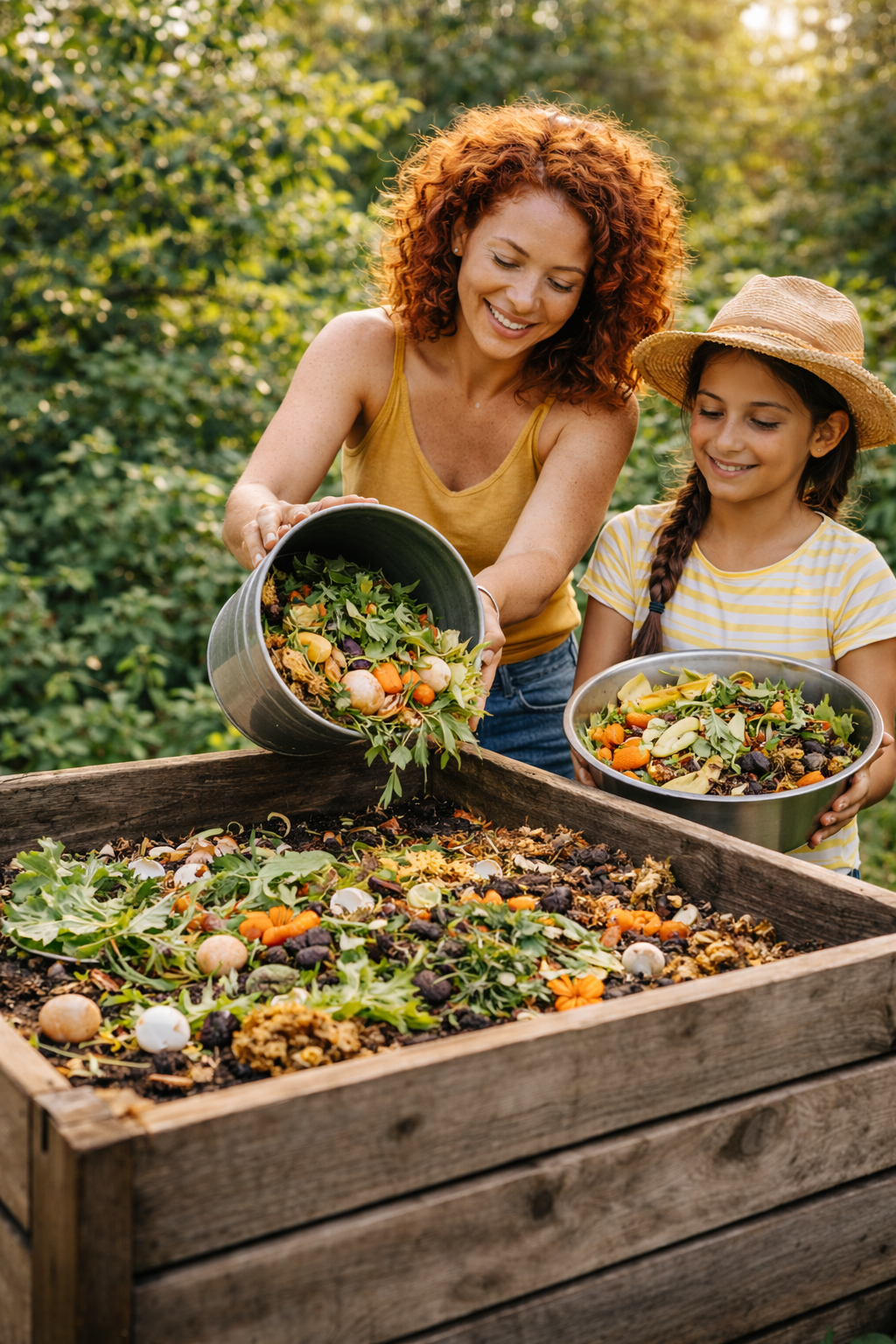
A parent and child emptying kitchen scraps into a wooden bin
Kitchen scraps are where the cycle starts, not where it ends.
Our mission

A circular model for food security

Light Forager advances food security through a circular model of waste diversion, bio digestion, soil regeneration, and community education. We transform organic waste through bio digestion, return recovered nutrients to the soil, and equip growers, families, schools, and community organizations with the knowledge and resources to grow healthier food and sustain the cycle.

  1. Divert waste

    Food scraps and other suitable organic material are collected before they reach the landfill, so the nutrients in them stay in the community.

  2. Harness bio digestion

    Black soldier fly larvae break the scraps down. Dried larvae are used as an animal feed supplement, and the frass they leave behind returns to the soil.

  3. Restore soil

    Recovered material goes back to garden beds as a soil amendment, handled carefully and studied alongside compost, biochar, and other inputs.

  4. Grow knowledge

    Workshops, school sessions, and plain-language guides teach people to run the cycle themselves and keep it going.

What we are working on

Current projects

The first production box

We are raising funds to build Light Forager’s first black soldier fly production box in Houston. It is a small pilot: collect scraps, run the digestion, record what goes in and what comes out, and share the results.

Support the build

Soil Atlas

A two-session community soil course and a grant concept for a citywide network of public growing spaces that measure and improve their soil over time.

See the curriculum and grant concept

Workshops and school visits

Hands-on sessions on compost, frass, biochar, and how to tell whether an amendment is doing anything. No background in soil science needed.

Host or join a session
Why soil

The nutrients in our food should not end up in a landfill

Most of what a garden grows gets eaten, and most of what is left gets thrown away. That is a slow leak of nutrients out of the neighborhood. Bio digestion is the piece that closes the loop: it turns the leftovers into something a garden can use again.

We work in Houston first, with community gardens, schools, and families, and share what we learn with rural partners and other cities.

What Light Forager does

Program areas

Get involved

Volunteer at a workshop, partner as a school or garden, or help fund the first production box. Every part of the cycle needs people.